
The emergence of the Detroit Pistons is here, and it’s time for people to accept it. With their 104–103 victory over the Boston Celtics on Monday night, the Pistons not only extended their lead atop the Eastern Conference but also added another statement win to an already impressive 2025–26 résumé. This run is opening the eyes of fans and media alike, who have been quick to take shots at the Pistons.
One by one, those narratives are being debunked . Can the Pistons win without Cade Cunningham carrying the scoring load? Over the last three games , Cunningham is shooting just 27 percent from the field and 14.3 percent from three—yet the Pistons are 3–0. Haven’t beaten anyone? Six of their last seven wins have come against the Knicks, Cavaliers, Suns, and Celtics, all teams above .500.
This version of the Pistons has been impossible to ignore. The question now isn’t whether this surge is real—but how sustainable it is as the season unfolds. Let’s dive in.
Why the Detroit Pistons’ Emergence Can No Longer Be Ignored
Pistons’ Emergence Hits All-Star Heights
On Monday, Cunningham was announced as a starter for the Eastern Conference All-Star team, becoming the first Piston to earn that honor since Allen Iverson in 2009. From top to bottom, Cunningham has been the engine of Detroit’s rise—leading not only with elite offensive production, but with poise, accountability, and leadership that have set the tone for the entire roster.
Detroit’s All-Star representation may not stop there. Jalen Duren has emerged as a legitimate candidate after a breakout season, averaging 17.8 points and 10.7 rebounds while shooting an efficient 63 percent from the field. His growth on both ends of the floor has elevated the Pistons and made his All-Star case difficult to ignore.
Add in the possibility of J.B. Bickerstaff and his staff coaching the All-Star Game, and Detroit’s presence could be felt across the entire weekend. For a franchise once labeled the laughingstock of professional sports, this transformation into one of the NBA’s most compelling teams has been nothing short of remarkable.
Proof Over Perception
Whenever the Pistons enter the conversation, their résumé is quickly questioned. Critics point to a light schedule, suggesting that consistent matchups against elite competition would expose who Detroit really is. Recently, the Pistons have answered that skepticism head-on, proving their brand of basketball is anything but fragile.
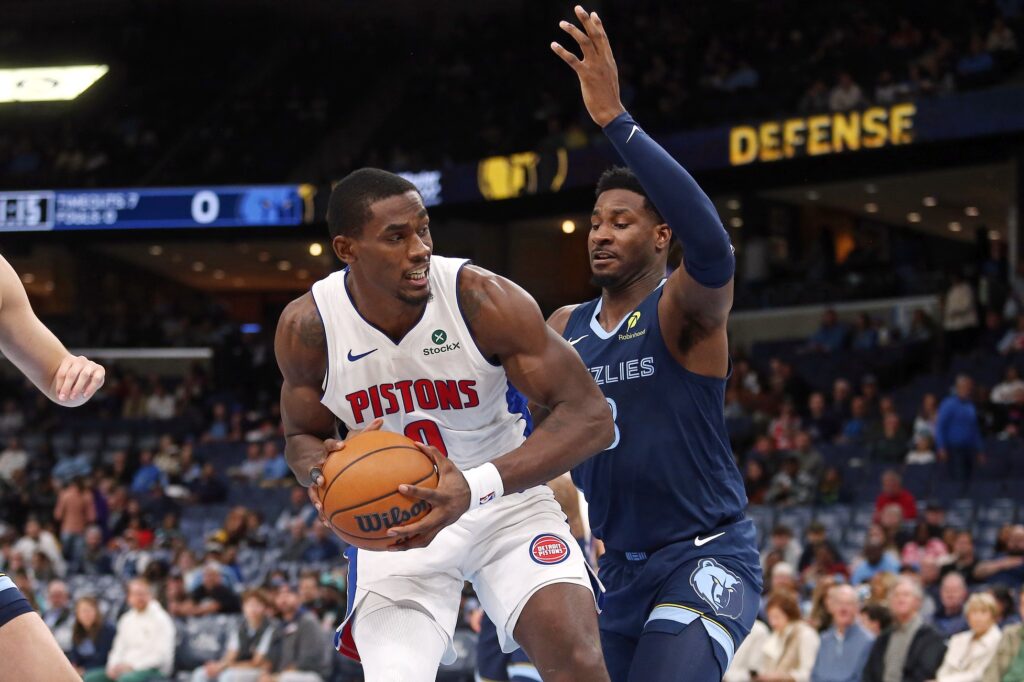
Against teams with winning records, the Pistons are 14–4. That success is easy to dismiss if you’re judging the Pistons by perception rather than substance. There’s nothing glamorous about how they win. They defend with purpose, play with physicality, and aren’t afraid to test an opponent’s toughness. In a league built on pace, space, and volume three-point shooting, the Pistons don’t fit the mold —and that’s precisely why they’re so difficult to beat.
The Last Word
This isn’t a hot streak. It isn’t a soft-schedule illusion. It’s the Detroit Pistons’ emergence as a legitimate force in the NBA.
They’ve built a résumé against winning teams, produced All-Star talent, and established an identity that travels—defense, physicality, and collective toughness. Cade Cunningham has stepped into stardom, Jalen Duren is emerging alongside him, and J.B. Bickerstaff has engineered a culture that demands accountability every night. This version of Detroit doesn’t rely on any one player, matchup, or style of play to win.
The Pistons may not look like the rest of the league, but they don’t need to. They win their way, and they win consistently. The rest of the NBA can keep searching for reasons to doubt—Detroit has already moved past that stage. The message is clear: the Pistons aren’t coming. They’re here.
Rick Osentoski-Imagn Images